

 English
 русский
 Español
 简体中文
简体中文

Content
Expansion Bolt
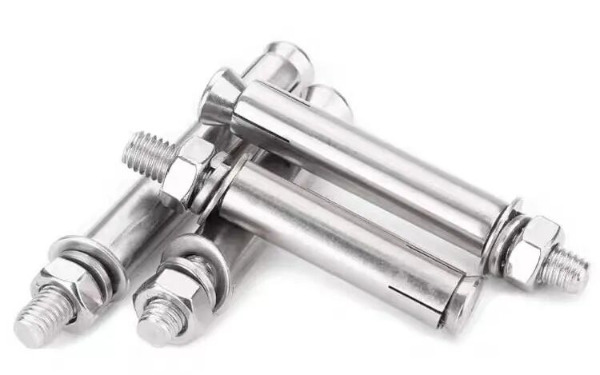
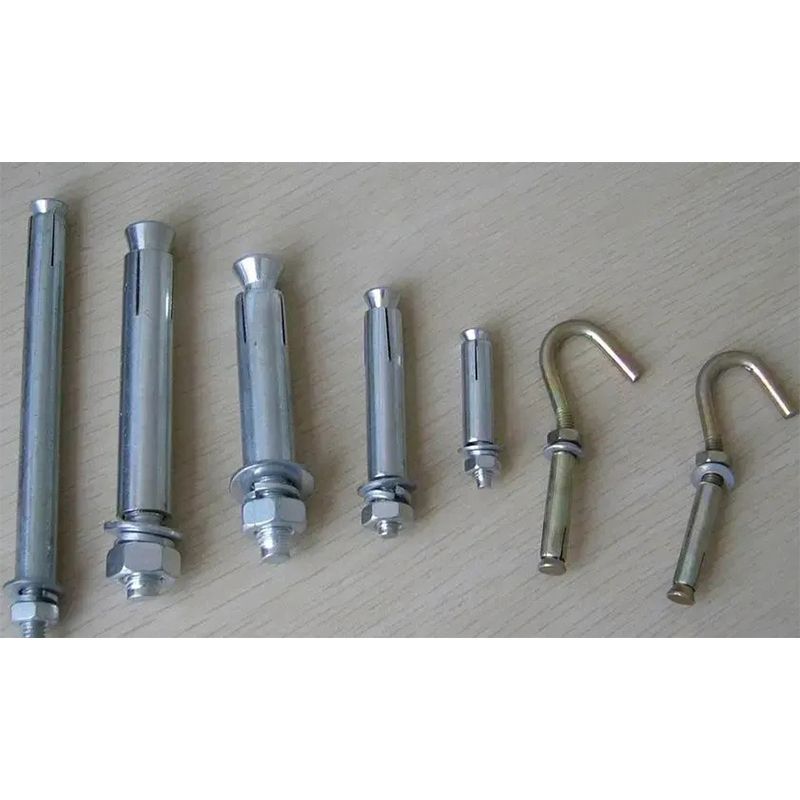
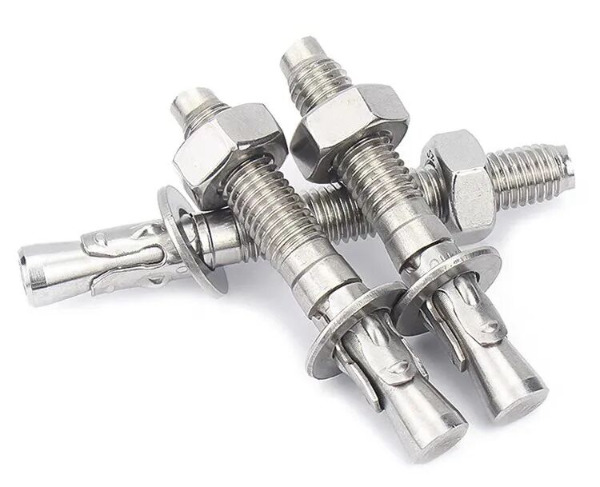
An expansion bolt typically consists of a threaded rod, an expansion sleeve (also known as an expansion cone), a washer, and a nut. The tail end of the threaded rod is conical in shape, and the diameter of the inner edge of this cone is larger than the diameter of the inner edge of the expansion sleeve.
Overview of Expansion Bolts
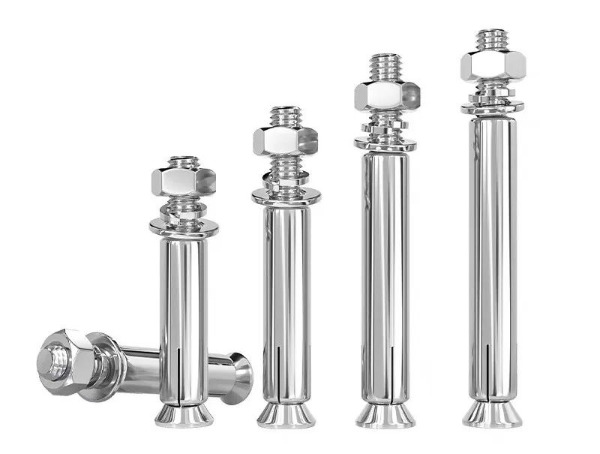
An expansion screw—also known as an expansion bolt or expansion anchor—is a mechanical fastener used to secure objects to hard materials such as concrete or brick walls. Through a specialized structural design, it generates an expansive force during installation, thereby providing firm support for the object.
Working Principle
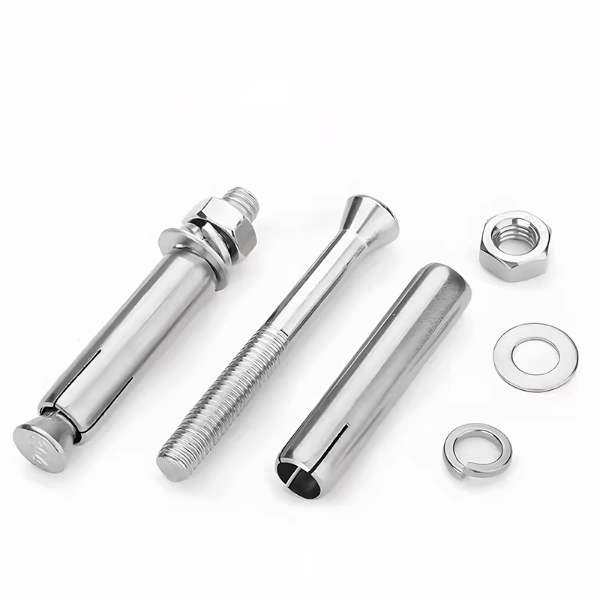
Its functionality relies primarily on its unique structure, which comprises components such as a bolt, an expansion sleeve (or expansion cone), a washer, and a nut. When the nut is tightened, the bolt drives the expansion sleeve to move axially; the outer surface of the sleeve features specialized diagonal ridges or serrations which, under the influence of external force, firmly bite into the wall or other mounting substrate. As the nut continues to be tightened, the expansion sleeve gradually expands outward, creating a secure anchoring effect that ensures stable support for the attached object.
Comparison of Advantages
Compared to traditional wooden or steel nails, expansion bolts offer distinct advantages, primarily in the following areas:
Superior Load-Bearing Capacity
Thanks to their unique anchoring mechanism, expansion bolts provide greater support force without damaging the base material, making them particularly suitable for applications requiring the support of heavy loads.
Broad Adaptability
Whether the base material is hard or soft, there is a corresponding type of expansion bolt available, offering a much wider range of applicability.
Ease of Removal and Adjustment
Unlike traditional nails—which are notoriously difficult to extract once driven in—expansion bolts can be easily removed by simply rotating them in the reverse direction, facilitating maintenance or positional adjustments.
Reduced Damage to Base Materials
During installation, expansion bolts are less invasive to the base material; this is especially critical for fragile materials or those where maintaining an intact surface appearance is essential.
Anti-Loosening Design
Certain high-end expansion bolts feature built-in anti-loosening mechanisms, ensuring long-term safety and stability in their application.
Type and Material
Depending on varying usage requirements and environmental conditions, expansion bolts can be classified into various types.
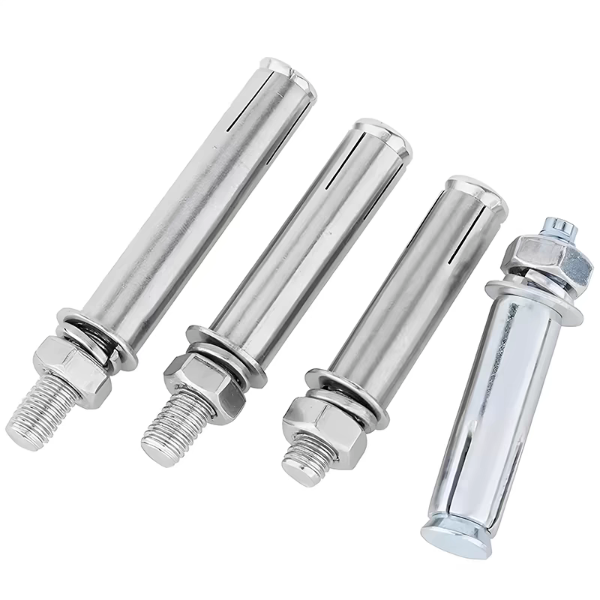
Metal Expansion Bolts
The most common type, suitable for hard materials such as concrete and brick walls, offering excellent pull-out resistance.
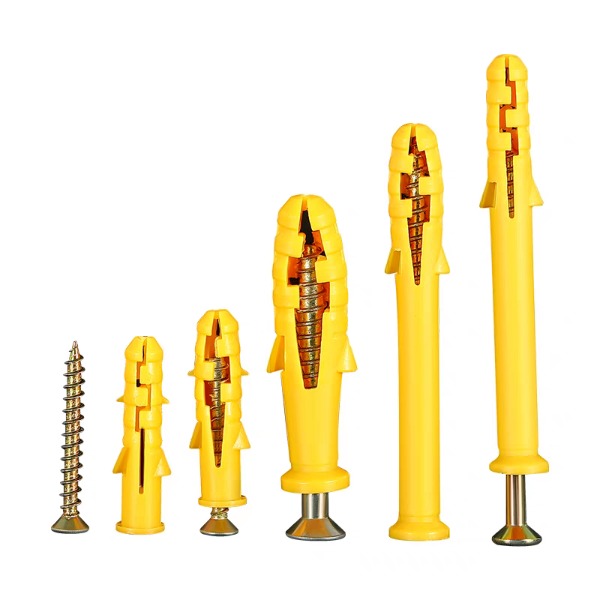
Plastic Expansion Anchors
Typically used in lightweight walls or environments where corrosion must be avoided; they are easy to install but offer relatively low load-bearing capacity.
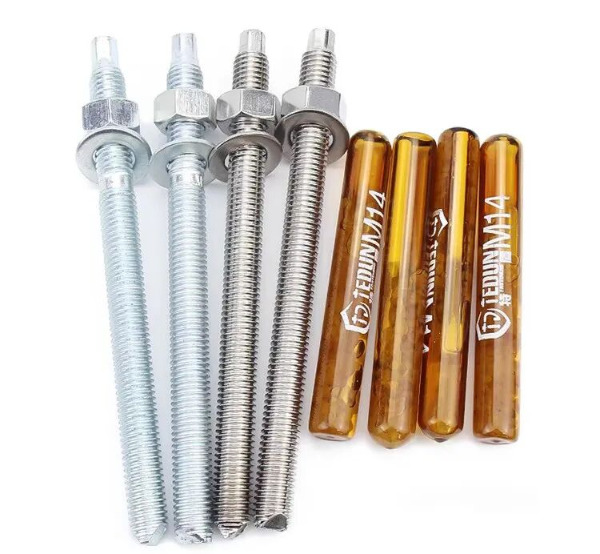
Chemical Anchors
Bonding to the substrate through a chemical reaction, they provide exceptionally high bond strength and are suitable for applications with extremely stringent safety requirements.
Sleeve Anchor
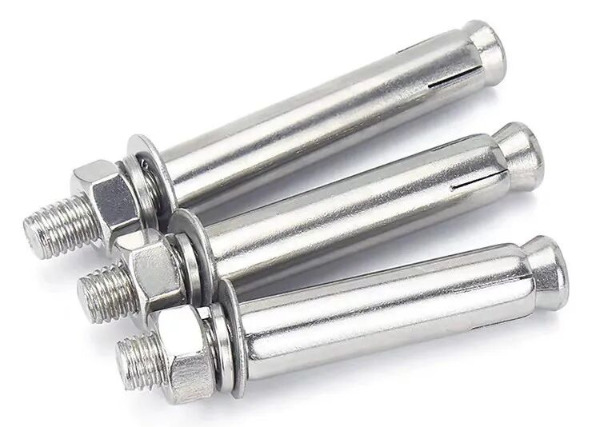
Specifically designed for lightweight wall materials—such as hollow bricks and gypsum board—it utilizes a specialized structure to increase friction and enhance fastening performance.
Precautions for Use
The drilling depth should be approximately 5 mm deeper than the length of the expansion sleeve to ensure that the expansion bolt can be fully secured.
The hole size should be determined based on the outer diameter of the expansion sleeve; for example, a 6 mm expansion bolt requires a 10 mm hole, while an 8 mm expansion bolt requires a 12 mm hole.
Regarding the mounting substrate, the harder the material, the better; at a minimum, it must be capable of withstanding the load exerted by the object being secured. For instance, the load-bearing strength of an expansion bolt installed in concrete is five times greater than that of one installed in brickwork.
When tightening the nut, first turn it 2–3 threads until the expansion bolt feels snug and stable; then, continue tightening to ensure a secure and effective fixation!
In summary, the expansion bolt is a powerful and widely utilized fastener; its unique design and diverse variations enable it to play an indispensable role in both modern industrial and civil sectors.