

 English
 русский
 Español
 简体中文
简体中文

Content
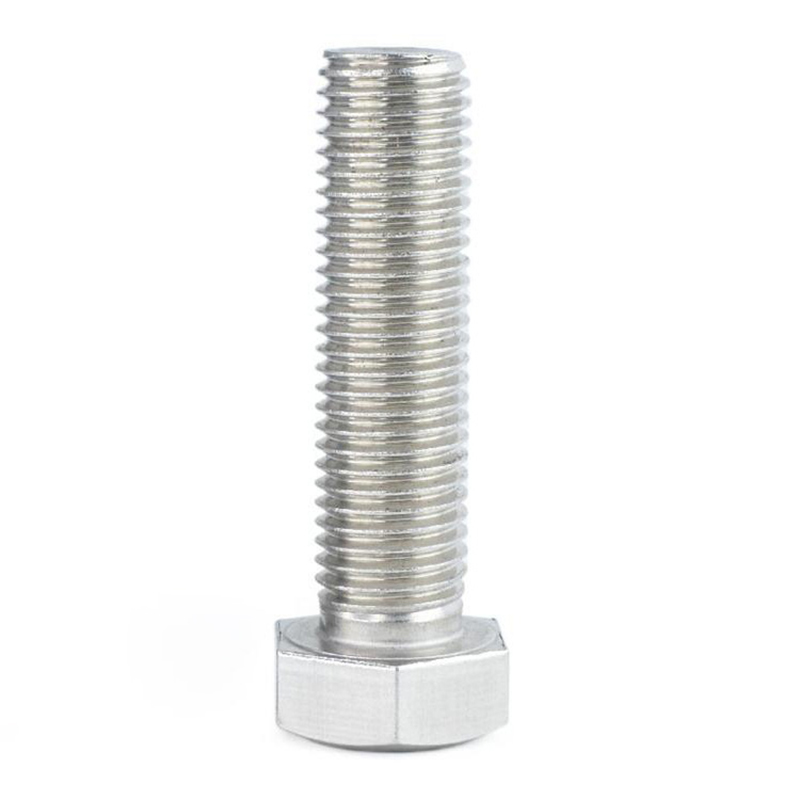
Stainless Steel Hardware Fasteners
In the realm of hardware fasteners, stainless steel is widely utilized across various engineering and manufacturing sectors due to its exceptional corrosion resistance and mechanical properties. However, different grades of stainless steel possess distinct characteristics and are suited for specific applications. Today, we will take a deep dive into several of the most common stainless steel fastener grades—demystifying their complexities to help you make your selection with greater confidence.
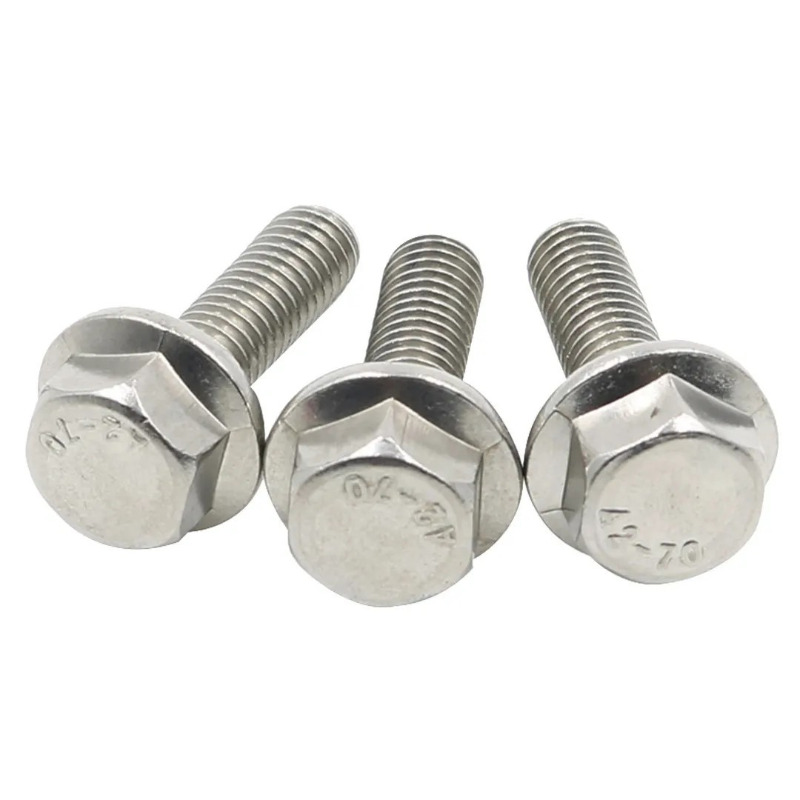
How to Select the Appropriate Stainless Steel Grade
When selecting stainless steel hardware fasteners, the following factors should be comprehensively considered:
Environmental Conditions: For instance, in marine or chemical environments, it is recommended to select the A4 series or B8M series.
Load Requirements: Select a material with appropriate yield strength based on the magnitude of the load—such as A2-70, A2-80, A4-70, A4-80, etc.
Standard Requirements: Select a material that complies with the relevant standards based on the specific requirements of the application—such as the F593 series.
A2 Series Stainless Steel
The A2 series—also known as 304 stainless steel—is one of the most common stainless steel materials, characterized by excellent corrosion resistance and mechanical properties.
A2 304: The basic 304 stainless steel grade, suitable for general industrial and domestic environments.
A2-50 304: Features a yield strength of 500 MPa, suitable for medium-load applications.
A2-70 304: Features a yield strength of 700 MPa, suitable for higher-load applications.
A2-80 304: Reaches a yield strength of 800 MPa, suitable for applications requiring high loads and high strength.
A3 Series Stainless Steel
The A3 series stainless steel offers superior corrosion resistance and toughness, making it suitable for more demanding environments.
A3: The basic A3 stainless steel grade, suitable for harsh environments.
A3-50: Features a yield strength of 500 MPa, suitable for medium-load applications.
A3-70: Features a yield strength of 700 MPa, suitable for higher-load applications.
A4 Series Stainless Steel
The A4 series—also known as 316 stainless steel—contains molybdenum, which further enhances its corrosion resistance, making it particularly suitable for marine and chemical environments.
A4-50 316: Features a yield strength of 500 MPa, suitable for highly corrosive environments.
A4-70 304/316: Features a yield strength of 700 MPa, suitable for highly corrosive environments and higher-load applications.
A4-80 316: Reaches a yield strength of 800 MPa, suitable for extremely high-load and severe environments.
B8M Series Stainless Steel
The B8M series stainless steel is a 316 stainless steel grade compliant with ASTM standards; it offers excellent corrosion resistance and is suitable for high-temperature and highly corrosive environments.
B8M 316: The standard 316 stainless steel grade, suitable for environments involving extreme corrosion and high temperatures.
F593 Series Stainless Steel
The F593 series stainless steel comprises grades compliant with the ASTM F593 standard, available in two material types: 304 and 316. This series is closely aligned with U.S. standards and is suitable for applications requiring high strength and corrosion resistance.
F593C 304: Standard 304 stainless steel, offering excellent corrosion resistance and mechanical properties.
F593D 304: Enhanced-strength 304 stainless steel, suitable for higher-strength applications.
F593G 316: Standard 316 stainless steel, suitable for highly corrosive environments.
F593H 316: Higher-strength 316 stainless steel, suitable for applications with extremely high corrosion and strength requirements.
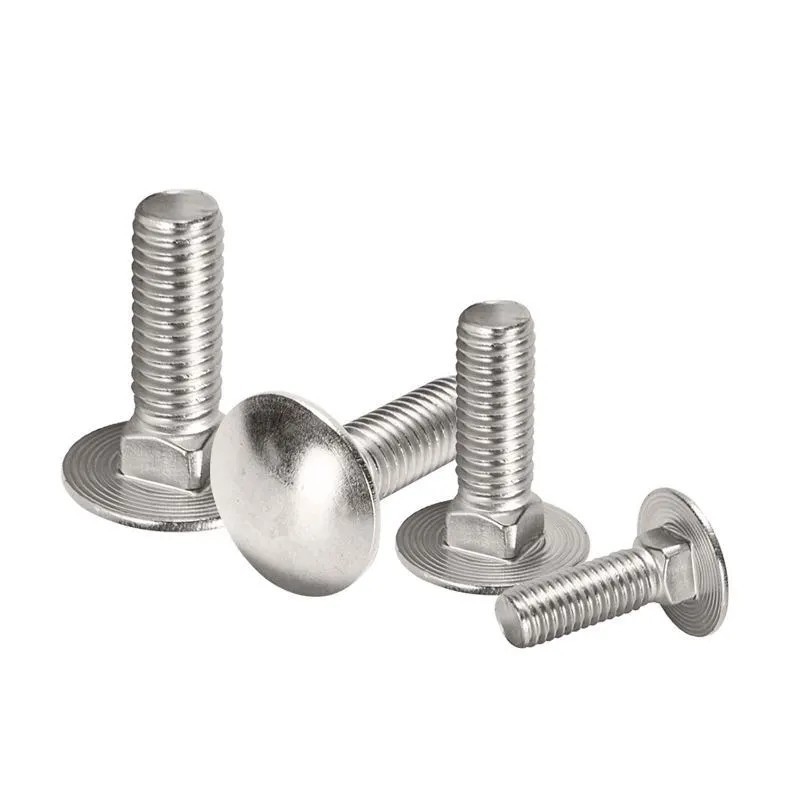
Differences Between ASTM F593 and Other Standards
Geographical Scope and Applicability
ASTM F593: Primarily utilized in the North American market—particularly within the United States—where it is widely applied across industries such as construction, machinery, and petrochemicals.
Other Standards (e.g., ISO, DIN, JIS): These standards are more prevalent in Europe (DIN), the international market (ISO), and Japan (JIS), and generally possess a relatively broader scope of application.
Material Classification and Nomenclature
ASTM F593: Classifies stainless steel fasteners into distinct "Grades"—such as F593C, F593D, F593G, F593H, etc.—with each grade corresponding to specific stainless steel types and performance requirements.
Other Standards (ISO/DIN/JIS): These standards typically employ different methods of nomenclature and classification. For instance, ISO standards use designations such as A2 and A4 to denote stainless steel types and grades, whereas DIN standards utilize combinations of numbers and letters (e.g., 1.4301 to represent 304 stainless steel).
Marking and Certification
ASTM F593: Mandates that fasteners bear clear markings to indicate their material composition and grade, thereby facilitating identification and traceability. Furthermore, ASTM standards are frequently linked to specific certification and testing protocols.
Other Standards (ISO/DIN/JIS): Standards such as ISO, DIN, and JIS also impose similar marking requirements; however, the specific marking methods and certification procedures may vary.
We hope this article serves as a valuable reference to assist you in selecting stainless steel hardware fasteners. Should you have any further questions, please feel free to leave a comment in the discussion section below or contact our team at Jiangxin.