

 English
 русский
 Español
 简体中文
简体中文

Content
In the world of hardware fasteners, self-drilling screws and self-tapping screws are two widely used products. Possessing distinct functions and application scenarios, they often make it difficult to decide which to choose. Today, we will delve into a detailed analysis of their differences and applications to help you make an informed decision.
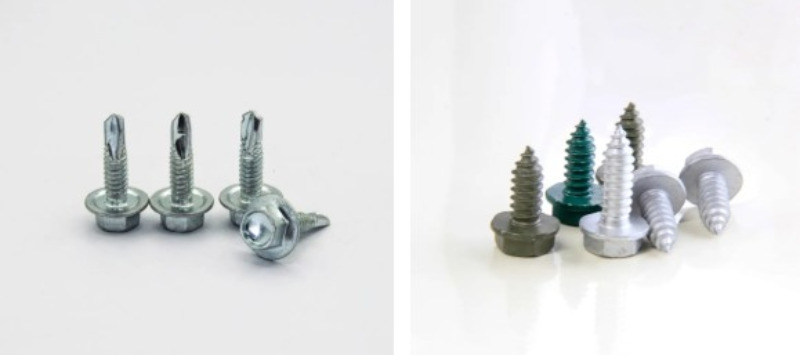
Self-Drilling vs. Self-Tapping
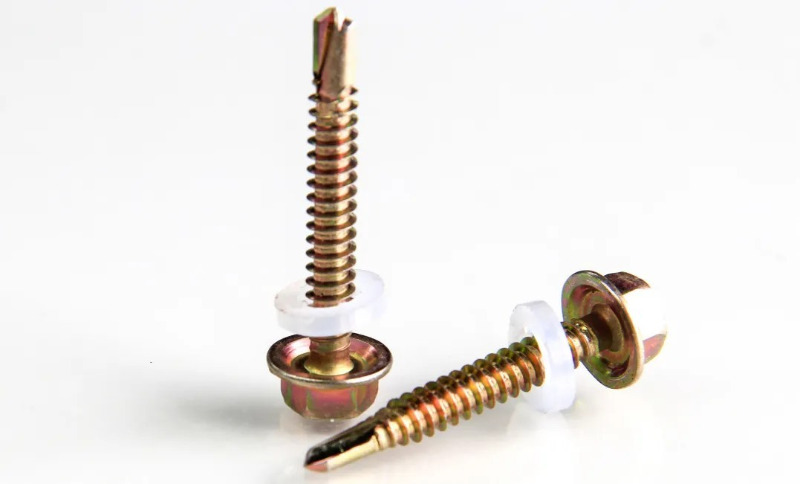
Self-Drilling Screws
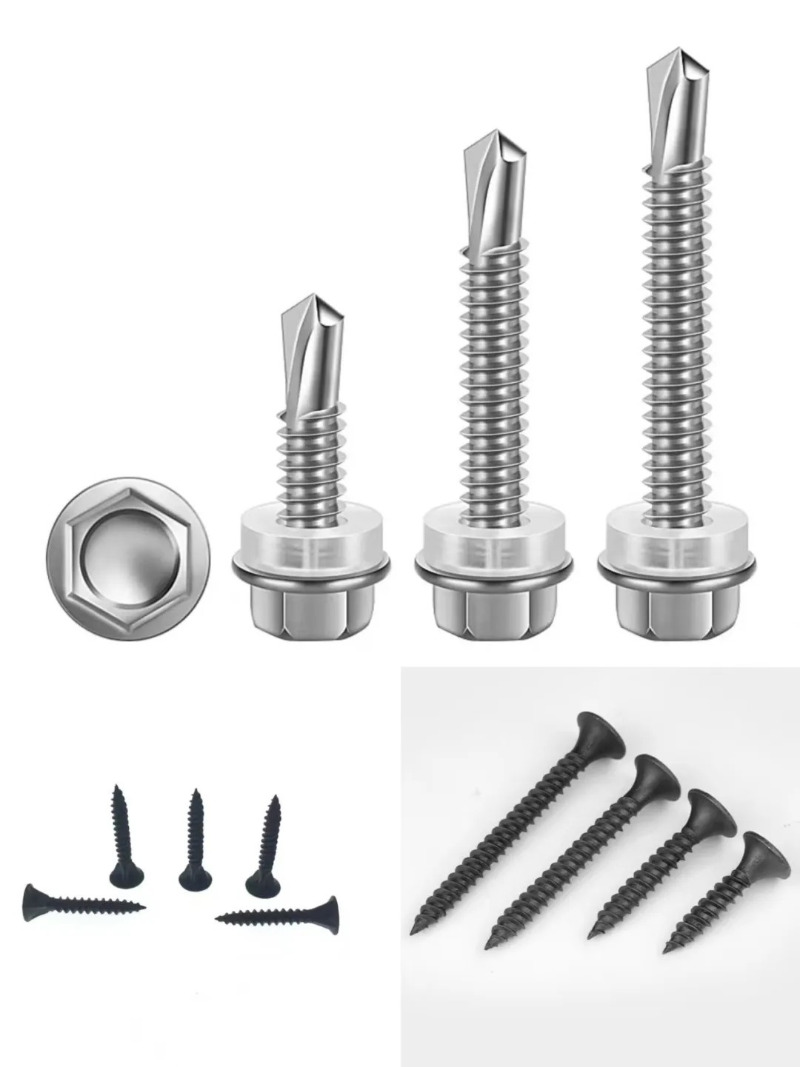
Self-drilling screws feature a built-in drill bit tip—or a swallowtail-shaped milling tip—that provides inherent drilling capability, eliminating the need for pre-drilled pilot holes. The entire process of drilling, tapping, and fastening is completed in a single step. Characterized by coarser threads and larger pitches, these screws offer superior tensile and shear strength, making them ideal for heavy-load applications.
Features of Self-Drilling Screws
The tip of a self-drilling screw resembles a drill bit, allowing it to directly drill holes and cut threads into hard materials, such as metal. They are well-suited for use in steel structures, metal roofing, and industrial assembly operations.
Types of Self-Drilling Screws
Standard Self-Drilling Screws: Used for the rapid installation of light-gauge steel framing, metal sheeting, and similar materials.
Hex-Head Self-Drilling Screws: Designed for easy installation using power tools; commonly utilized in steel structure construction.
Flat-Head Self-Drilling Screws: Used in applications where a flush, flat surface finish is required, such as in metal roofing systems.
Self-Tapping Screws
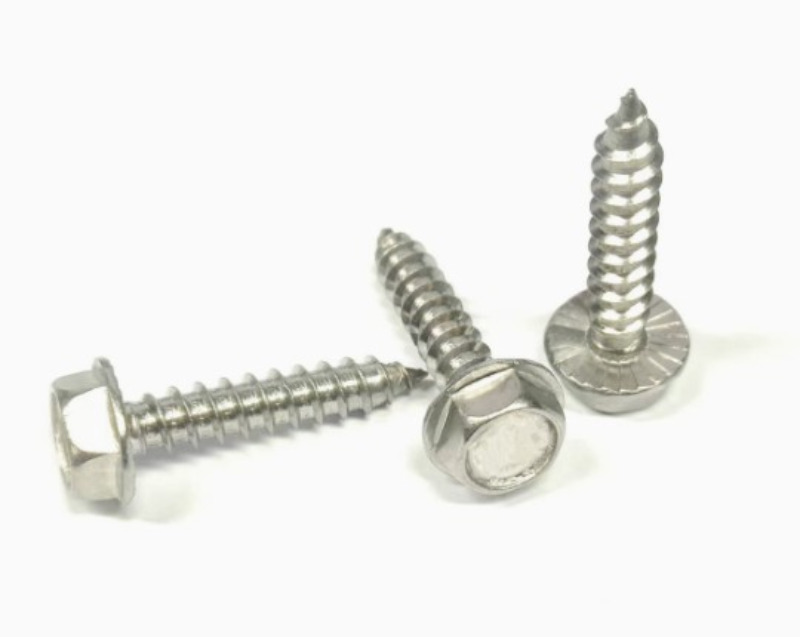
Self-tapping screws feature either a pointed or flat tip and lack a built-in drilling mechanism. Consequently, they require a pilot hole; one must first pre-drill a hole before driving the screw in to cut and form the internal threads through extrusion. The threads are relatively fine-pitched, making them suitable for light-load applications, though their overall stability is comparatively lower.
Characteristics of Self-Tapping Screws
Self-tapping screws possess threads capable of directly forming mating threads within softer materials—such as wood, plastics, and thin sheet metal—as they are driven in. Their primary advantage lies in the fact that they do not require pre-drilling, making for convenient and easy installation.
Types of Self-Tapping Screws
Standard Self-Tapping Screws: Suitable for use in wood and plastics; widely utilized in furniture and household appliances.
Machine Screw-Type Self-Tapping Screws: Designed specifically for sheet metal applications; commonly used in the casings of electronic devices.
Self-Locking Tapping Screws: Feature a specialized thread design that enables them to maintain a secure hold even under vibration; typically employed in automotive and mechanical equipment.
The Key Difference Between Self-Drilling Screws and Self-Tapping Screws
| Comparison Dimensions | Self-Drilling Screws | Self-Tapping Screws |
| Local Features | Equipped with an integrated drill bit (or swallowtail-shaped milling tip) for self-drilling capability | Feature a pointed or flat tip; they lack a built-in drilling mechanism and require a pre-drilled pilot hole. |
| Construction Process | Requires no pre-drilling; combines drilling, tapping, and fastening into a single, seamless step | A pilot hole must be drilled first, after which the screw is driven in to cut and form internal threads through extrusion. |
| Applicable Materials | Suitable for fastening hard materials such as metal sheeting, color-coated steel roofing, galvanized pipes, and thin stainless steel plates | Suitable for soft or lightweight materials such as wood, plastics, drywall, and thin sheet metal. |
| Bonding Strength | Features a coarser thread and larger pitch, offering superior tensile and shear strength ideal for heavy-load applications | The threads are relatively fine-pitched. Suitable for light-load applications, though stability is comparatively lower. |
| Typical Scenarios | Widely used in steel structure construction, factory building fastening, billboard installation, and ventilation ductwork | Applications include furniture assembly, interior decoration, door and window fittings, and lightweight brackets. |
Common Materials for Self-Drilling and Self-Tapping Screws
These two types of screws are typically manufactured from the following materials:
Zinc-Plated Carbon Steel: Low cost, easy to install, and high hardness; however, rust resistance is moderate.
Stainless Steel 410: Magnetic properties; offers a balance between rust resistance and hardness. It can be heat-treated for hardening, effectively combining both corrosion resistance and structural strength.
Stainless Steel 316/304: Provides excellent rust resistance, but the material is relatively soft.
Installation Guide
Key Points for Installing Self-Drilling Screws: Use an impact drill or electric screwdriver to ensure sufficient torque; this prevents the screw from stalling due to insufficient rotational speed. Pair the screws with flat washers or spring washers to increase the load-bearing surface area and prevent loosening (particularly in outdoor environments).
Key Points for Installing Self-Tapping Screws: The pilot hole diameter must be matched to the screw diameter (slightly smaller for soft materials, slightly larger for hard materials); pre-drilling helps prevent the material from splitting during installation. Drive the screw until it is seated firmly, but avoid overtightening, which can strip the threads or cause the material to crack (especially with plastics or thin wood).
Summary
Choosing the Right Screw: Maximizing Fastening Efficiency
Hard Materials, No Pre-drilling Required, High Load-bearing Capacity → Choose Self-drilling Screws; prioritize Stainless Steel 410 or composite materials.
Soft Materials, Precision Required, Light Load-bearing Capacity → Choose Self-tapping Screws; pre-drilling is recommended to ensure stability.
Core Principle: By matching the material to the specific application environment and aligning the installation process with operational requirements, every single screw can fulfill its intended value—thereby avoiding costly rework and material waste.
How to Choose
If you need to fasten into metal or hard materials, self-drilling screws are the superior choice, as they save both time and steps in the installation process.
If you are working with wood, plastic, or thin sheet metal, self-tapping screws are more suitable; they rapidly form their own threads without the need for pre-drilling.
Whether self-tapping or self-drilling, the importance of these screws in modern industry cannot be overstated. Understanding their specific characteristics and applications helps to boost work efficiency and ensures the stability and safety of the installation.