

 English
 русский
 Español
 简体中文
简体中文

Content
Non-standard Double-ended Bolt
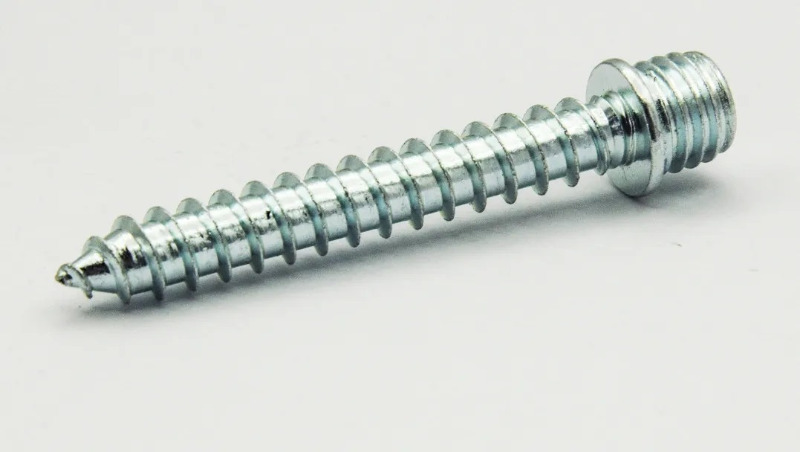
In the fields of mechanical equipment and industrial assembly, certain critical components require fasteners characterized by high strength, precise dimensions, and the ability to withstand specific operating environments. While standard bolts often fail to meet these rigorous demands in certain scenarios, non-standard double-ended studs—distinguished by their customized designs and versatility—emerge as the ideal solution for fulfilling these specialized requirements.
What Are Non-Standard Double-Ended Studs?
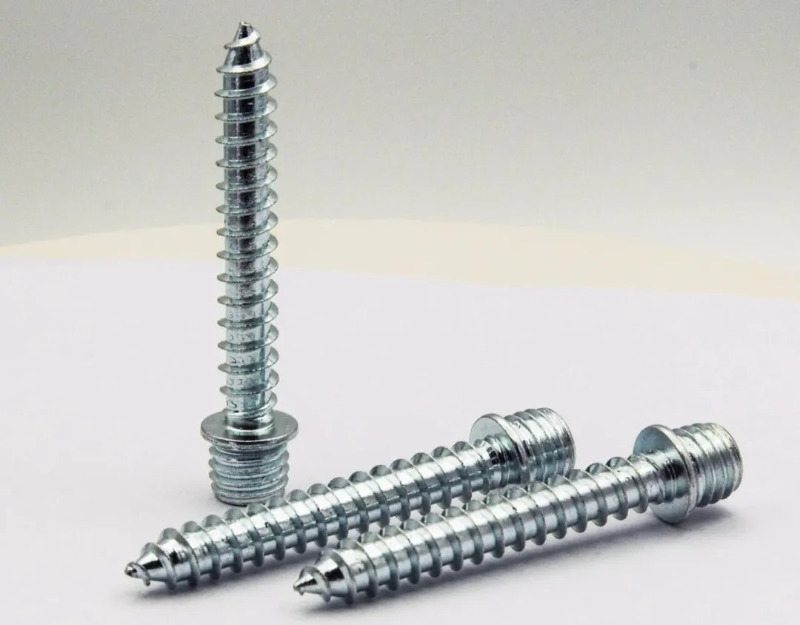
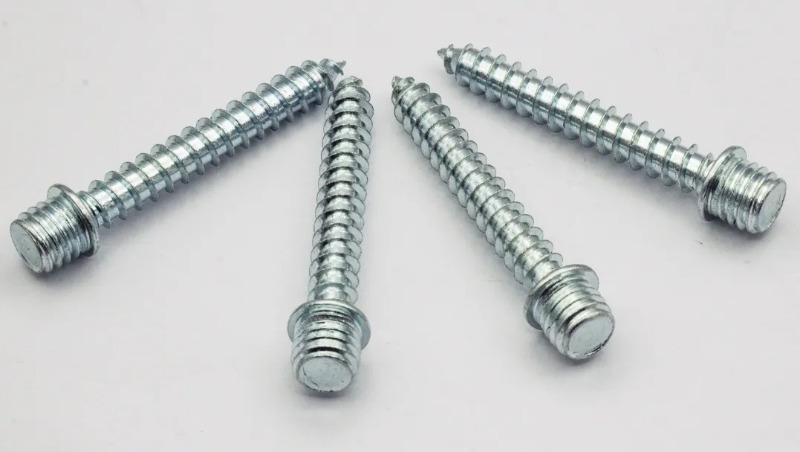
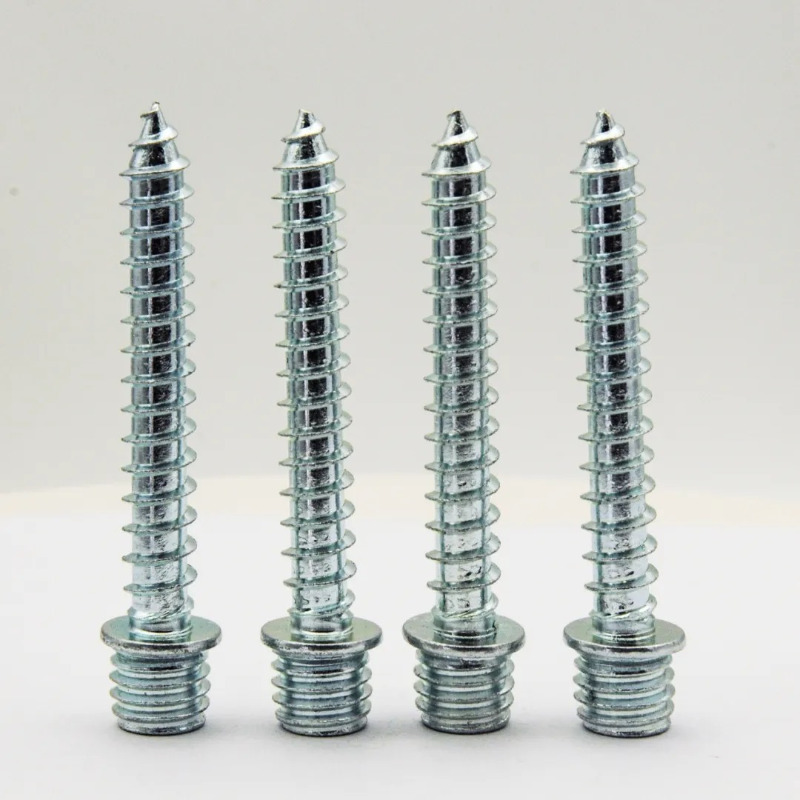
A non-standard double-ended stud is a type of fastener designed to meet specific requirements; it features threads at both ends, with either a smooth shank or a fully threaded structure in the middle section. These studs are typically employed in applications requiring dual-ended fastening or connection—such as high-pressure equipment, pipeline flange connections, and the assembly of core components in large-scale industrial machinery.
Unlike standard double-ended studs, non-standard versions are fully customized according to client specifications—covering aspects such as material, dimensions, thread configuration, and surface treatment—in order to satisfy more demanding performance criteria.
Features of Non-Standard Double-Ended Studs
1. Customized Dimensions
Non-standard double-ended studs can be precisely customized in terms of length, diameter, and thread configuration based on the specific operating environment, ensuring a perfect fit with the equipment.
Length: Based on the specific requirements of the assembly location, lengths can be specified with millimeter-level precision.
Diameter: Larger diameters can be selected to enhance tensile strength, making them suitable for high-load applications.
2. Material Versatility
High-Temperature Resistant Materials: Such as chromium-molybdenum alloy steel or nickel-based alloys, suitable for high-temperature environments.
Corrosion-Resistant Materials: Stainless steel or specialized alloys, utilized in chemical processing or marine engineering fields.
High-Strength Materials: Carbon steel or alloy steel subjected to heat treatment, designed to withstand high dynamic loads.
3. Selectable Thread Types
Non-standard double-ended studs can be designed with coarse threads at one end, fine threads at both ends, or other specialized thread profiles, ensuring optimal fastening performance within specific assembly environments.
4. Advanced Surface Treatments
Corrosion-Resistant Coatings: Zinc plating, Dacromet coating, or hot-dip galvanizing, suitable for outdoor or humid environments.
Anti-Loosening Treatments: Thread-locking adhesive coatings or knurled designs, ensuring stability and reliability during prolonged use.
Typical Application Scenarios for Non-Standard Double-Ended Studs
1. High-Pressure Flange Connections
In the fastening of flanges for high-pressure pipelines or vessels, non-standard double-ended studs—characterized by their precise dimensions and high-strength materials—ensure the leak-tightness and safety of the connection.
2. Securing Core Components in Industrial Equipment
In large-scale machinery, non-standard double-ended studs are utilized to secure critical components—such as engines, transmission systems, and support structures—providing stability and high load-bearing capacity.
3. Maintenance and Modification of Specialized Equipment
Non-standard double-ended studs are widely employed in equipment upgrade or repair projects, particularly in instances where existing machinery requires fasteners of specific, non-standard specifications to accommodate modifications.
4. Nuclear and Wind Power Equipment
In nuclear and wind power generation facilities, non-standard double-ended studs are used to secure complex assemblies; valued for their exceptional strength and durability, they are capable of withstanding the rigors of extreme environmental conditions.
Manufacturing Process and Quality Control
Material Preparation: Select appropriate materials based on design specifications and cut them to precise lengths.
CNC Machining: Machine the threads and the smooth shank section using lathes or CNC equipment, ensuring that every component meets design requirements.
Heat Treatment: Quench and temper the bolts to enhance their hardness, tensile strength, and wear resistance.
Surface Treatment: Apply anti-corrosion treatments—such as zinc plating, phosphating, or Dacromet coating—to improve the bolts' durability and resistance to environmental factors.
Quality Inspection: Utilize specialized testing equipment to verify thread precision, dimensional tolerances, and mechanical properties, ensuring that the finished products comply with engineering drawings and customer specifications.
Advantages of Non-Standard Double-Ended Studs
Full Customization: Meets the specific requirements of various specialized equipment and operating conditions.
High Performance: The diversity of materials and manufacturing processes ensures superior mechanical properties.
Flexible Adaptability: Provides precise connection solutions for complex assembly designs.
Summary
With their unique designs and exceptional performance, non-standard double-ended studs serve as essential tools for addressing specialized industrial requirements. They not only enhance equipment stability and safety but also provide reliable support for complex engineering projects. In today's rapidly evolving industrial landscape, customized non-standard double-ended studs are continuously driving technological innovation, injecting fresh momentum into the development of various sectors.
If you are seeking fasteners that perfectly fit your specific equipment, non-standard double-ended studs are undoubtedly the ideal choice. Should you have any inquiries, please do not hesitate to contact us at Jiangxin Industrial!