

 English
 русский
 Español
 简体中文
简体中文

Content
Fasteners - Bolts
With the continuous development of industry and construction, bolts, as important fasteners, are widely used in various projects. Bolts made of different materials, such as stainless steel bolts and carbon steel bolts, are suitable for different applications due to their performance differences. Jiangxin Bolts offers a diverse range of products, including various models of carbon steel and stainless steel bolts.
Core materials
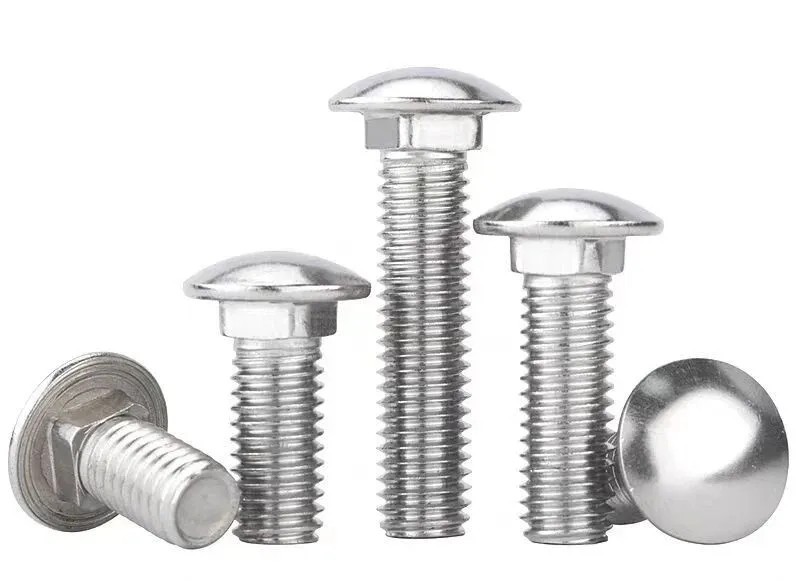
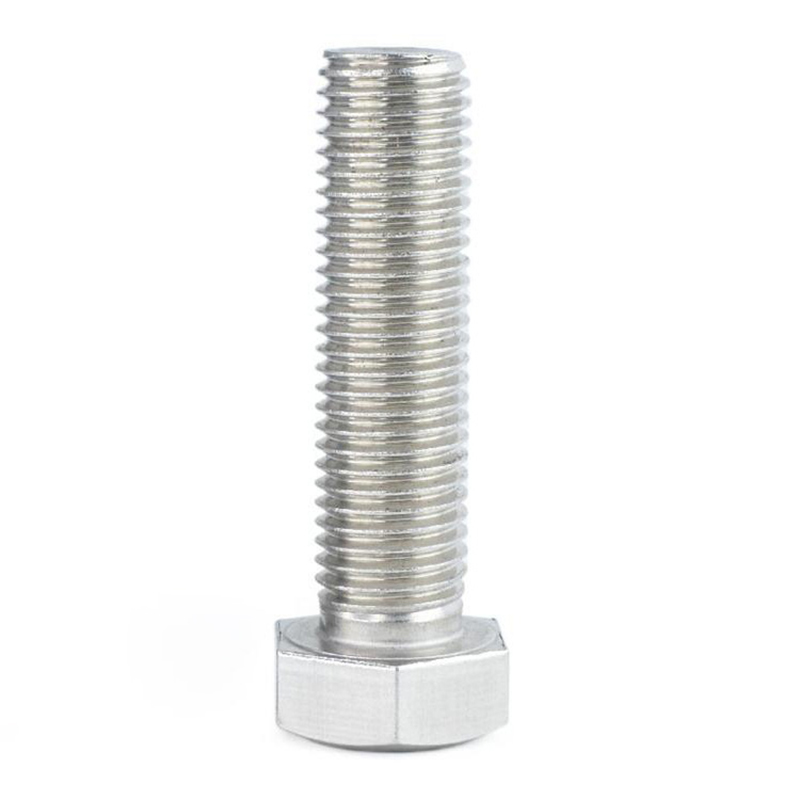
Stainless steel
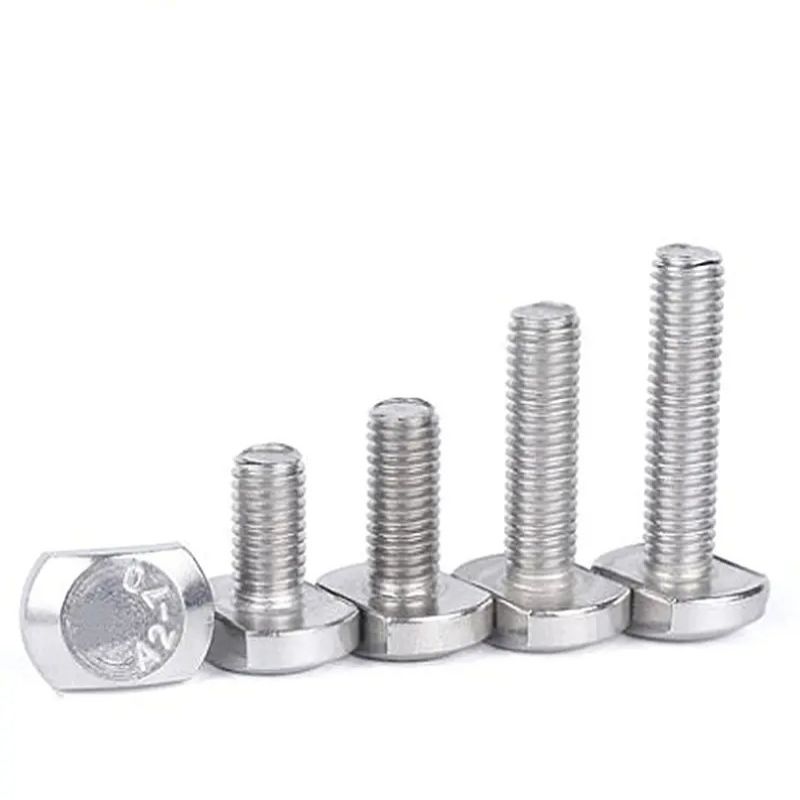
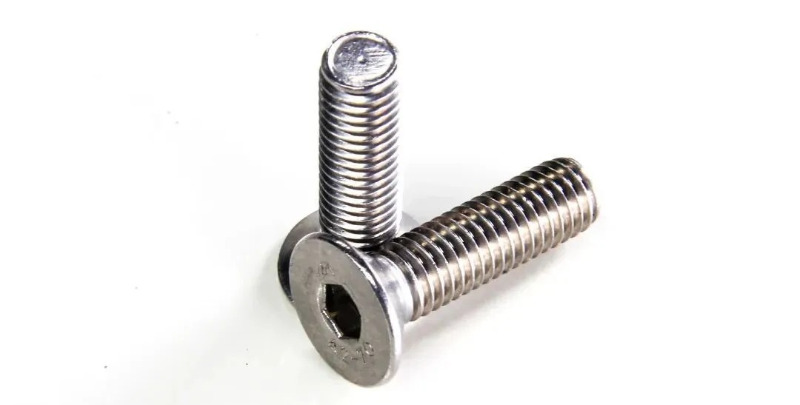
Using stainless steel as the base material, common series include 304/316 (austenitic), 410 (martensitic), and 430 (ferritic), containing alloying elements such as chromium, nickel, and molybdenum.
Corrosion and rust resistance: Excellent. Chromium forms a dense oxide film, which can withstand corrosive environments such as humidity, salt spray, and weak acids and alkalis. 316, due to its molybdenum content, has even stronger corrosion resistance and an extremely low rusting rate.
Cost: Relatively high. Because the stainless steel base material contains precious metals (nickel and molybdenum), the raw material cost is much higher than that of carbon steel. The price of the same specification bolts is approximately 3-10 times that of carbon steel bolts.
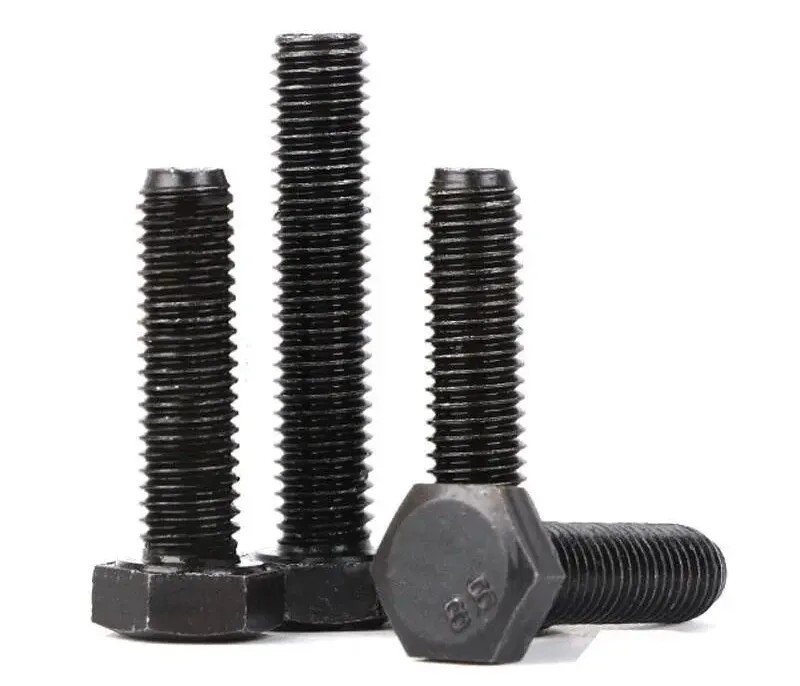
carbon steel bolts
Made with carbon structural steel as the base material, commonly Q235, 45# steel, and 8.8/10.9 grade high-strength carbon steel, the core components are iron and carbon, with no high content of corrosion-resistant alloying elements.
Corrosion and rust resistance: Poor. Lacking corrosion-resistant alloying elements, it easily oxidizes and rusts at room temperature, requiring surface electroplating/blackening treatments to improve rust resistance. Damage to the plating layer accelerates corrosion.
Cost: Low. Carbon steel raw materials are readily available, and the processing technology is simple, making it the most cost-effective choice among fasteners. High-strength versions are slightly more expensive due to heat treatment but still lower than stainless steel, offering good economic benefits and suitable for large-scale use.
Surface coating
Surface Treatment of Stainless Steel Bolts
Basic models only require passivation (to strengthen the oxide film and improve corrosion resistance). For special applications, Teflon coating or nickel plating can be applied. Electroplating for rust prevention is not required; some processes optimize appearance/performance.
Surface Treatment of Carbon Steel Bolts
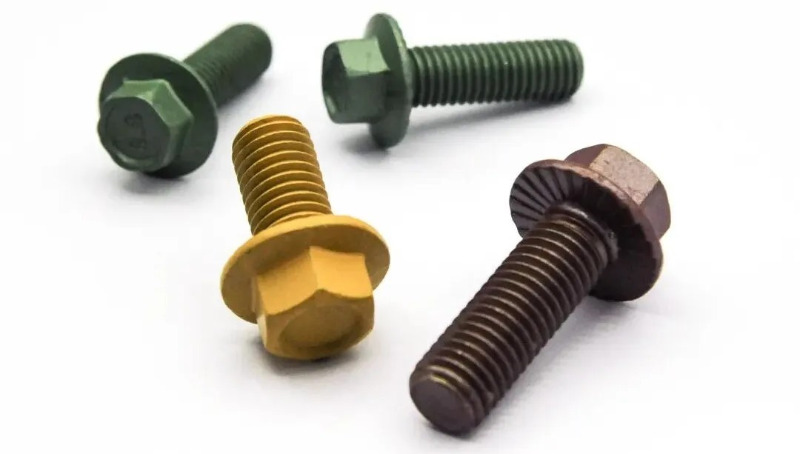
To compensate for the insufficient corrosion resistance of carbon steel bolts, surface treatment is essential for rust prevention. Common treatments include galvanizing, blackening, Dacromet coating, and hot-dip galvanizing. Galvanizing is further divided into color zinc plating and white zinc plating. Dacromet coating offers better salt spray resistance than ordinary galvanizing.
Zinc plating: The most common anti-corrosion coating method, divided into hot-dip galvanizing and cold galvanizing, effectively preventing bolts from rusting in humid environments.
Phosphating: Forms a protective film through phosphate treatment, enhancing the bolt’s corrosion resistance and wear resistance.
Dacromet coating: A non-electroplating anti-corrosion coating technology with good corrosion resistance and environmental friendliness, suitable for high-requirement anti-corrosion applications.
Application areas
Applications of Stainless Steel Bolts
Marine Environment: Due to their excellent resistance to salt spray and corrosion, stainless steel bolts are widely used in ships, marine engineering, and coastal construction.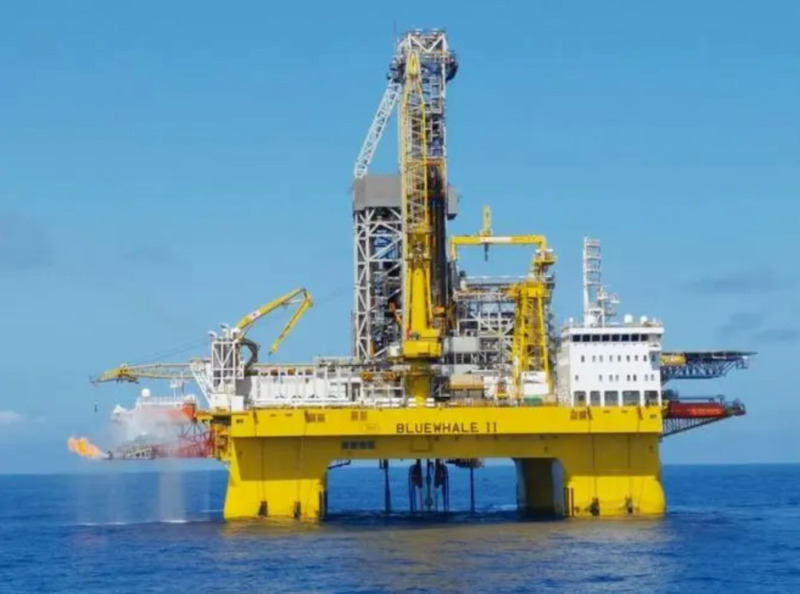
Food and medical industries: Stainless steel bolts meet hygiene standards and are commonly used in food processing equipment and medical devices to ensure safety and corrosion protection.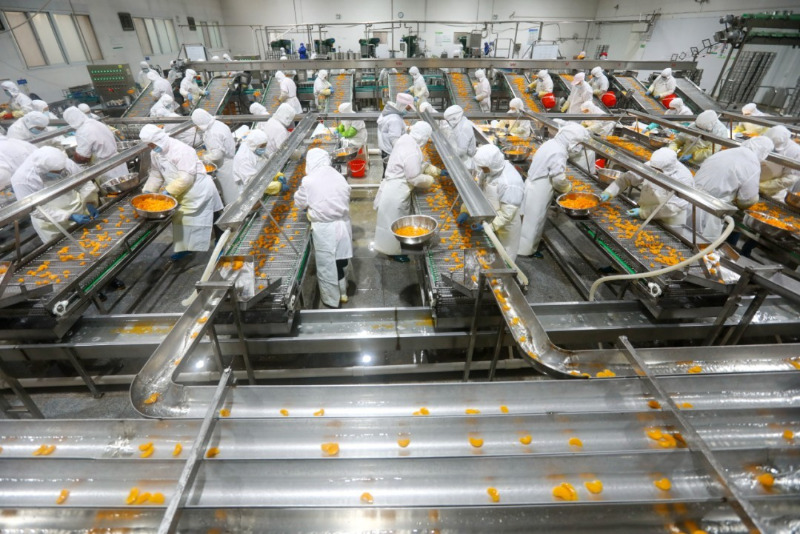
High-temperature environments: Stainless steel bolts are widely used in power plants, boilers and other high-temperature equipment due to their heat resistance.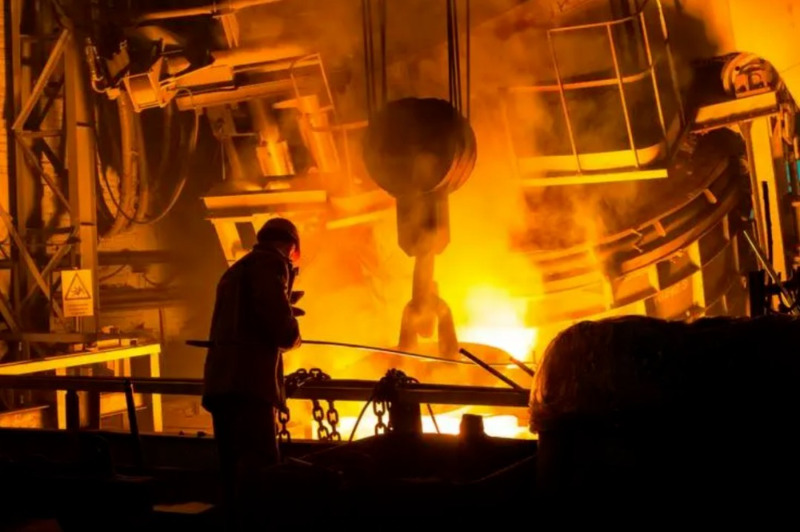
Applications of Carbon Steel Bolts
Construction Engineering: Due to their high strength and economy, carbon steel bolts are widely used in building structures (dry environments), bridges, and the installation of large equipment.
Furniture hardware: fastening of wooden doors and windows, assembly of office equipment, fixing of simple shelves/shelves
Automotive Industry: Carbon steel bolts are widely used in automobile manufacturing, especially corrosion-resistant carbon steel bolts, which can meet the strength and corrosion resistance requirements of automotive parts.
Comprehensive Selection Recommendations
When selecting bolt materials, the specific application environment, mechanical performance requirements, and economic budget should be considered. Stainless steel bolts are suitable for applications requiring high corrosion resistance, high temperature resistance, and hygiene; while carbon steel bolts are more suitable for projects with high strength requirements and where cost control is critical. Appropriate selection can ensure the safety, durability, and economy of the project.