

 English
 русский
 Español
 简体中文
简体中文

Content
What is a 12.9 grade shoulder bolt?
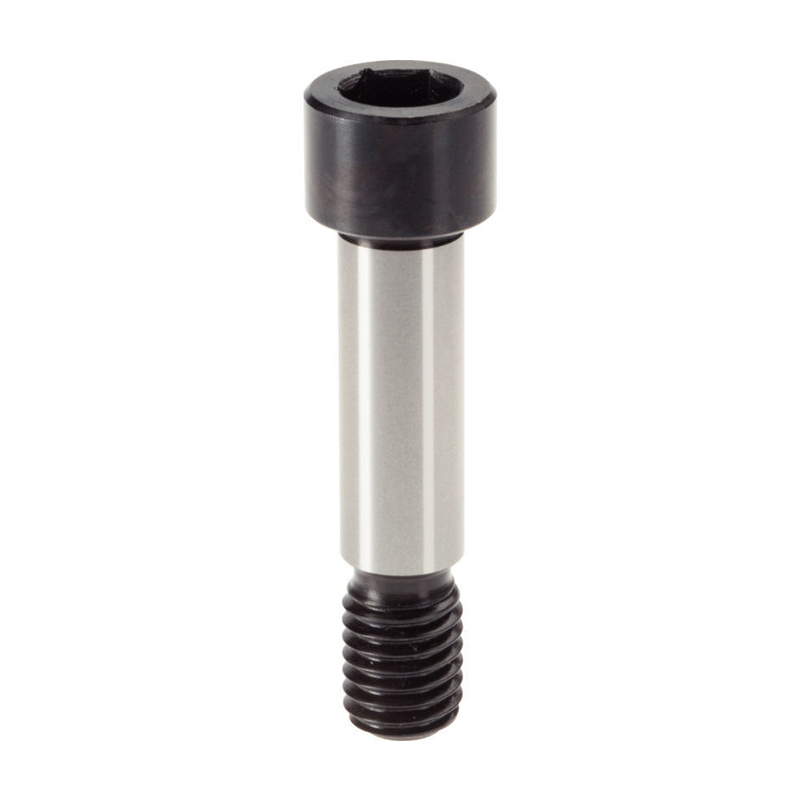
A 12.9 grade shoulder bolt, also known as a shaft shoulder screw or internal hexagonal shoulder bolt, is a high-precision fastener with a smooth shoulder and partial thread, specifically designed for high-strength and precision motion applications.
Features
Structural Features
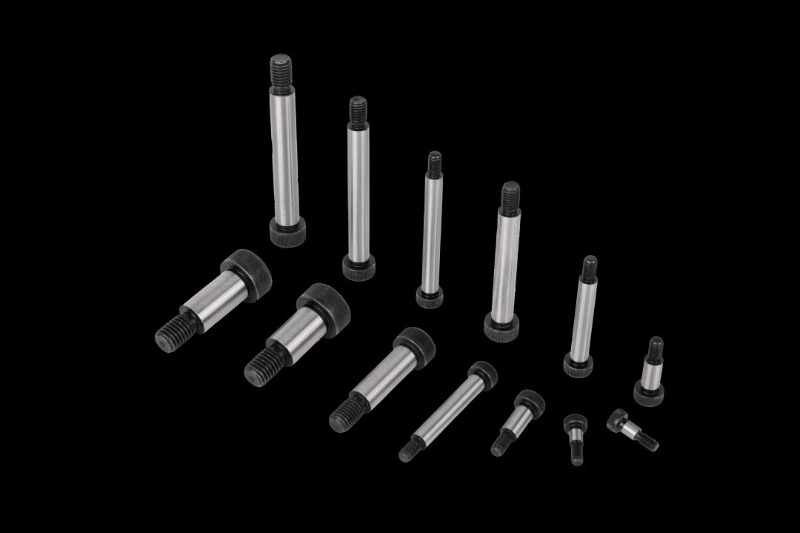
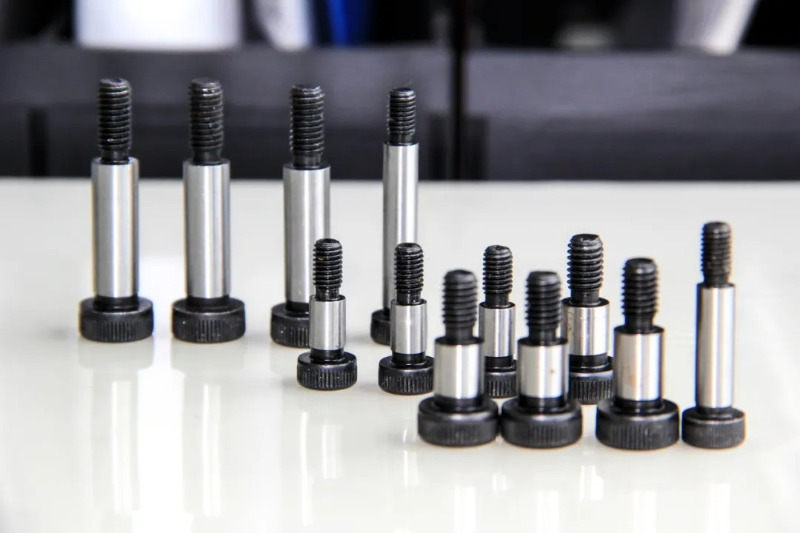
The 12.9 grade plug bolt consists of three key parts:
Bolt head: Commonly designed with internal or external hexagonal heads for easy high-torque installation and removal.
Smooth shoulder: Precision machined to ensure stability of rotating or sliding components.
Threaded end: Utilizing a partially threaded design to ensure a secure hold and improve load-bearing capacity.
Key Features
Ultra-high strength: Constructed with alloy steel (such as SCM435), with a tensile strength ≥1220MPa, ensuring reliability in high-load applications.
Precision tolerances: Shoulder diameter, length, and coaxiality are strictly controlled to ensure precise positioning and sliding fit of mechanical components.
Wear-resistant and durable: Surface treatments include quenching, blackening, phosphating, or nickel plating, improving wear resistance and corrosion resistance.
High torque performance: Capable of withstanding high tightening torques, suitable for heavy machinery and high-dynamic load environments.
Applications of 12.9 grade shoulder bolts
Due to its high strength, precision machining, and motion adaptability, the 12.9 grade shoulder bolt is widely used in many industries, especially in scenarios with high load and high precision requirements.
Machinery Equipment
In automated machinery, precision machine tools, and production line equipment, shoulder bolts are used to support and slide components, ensuring the smooth operation of the equipment.

Slide rails and guide mechanisms: Ensure the accuracy of linear or rotary motion.
Transmission systems: Used as fixing bolts for connecting rods and bearing seats, reducing wear on moving parts.
Jigs and tooling: Fixtures for fixed positioning and clamping, improving production accuracy.
Mold manufacturing

Injection molds: Used for sliders, guide plates, and positioning mechanisms to ensure smooth mold opening and closing.
Stamping dies: Used for guide pin fixing and slider assemblies to improve mold life and precision.
Automotive Industry

12.9 grade shoulder bolts are widely used in automotive manufacturing for engines, suspension systems, and braking systems.
Engine Components: Connect rocker arms, connecting rods, and valve mechanisms, ensuring stability during high-speed operation.
Suspension Systems: Utilize shock absorbers and control arm connections to withstand high-frequency vibrations and impacts.
Brake Systems: Used in brake calipers and sliding rails, providing high-temperature resistance and high-load capacity.
Electronic and automation equipment

Robot joints: Used as rotary axes to ensure precise positioning and flexible movement of robotic arms.
Automated assembly lines: Used for sliders and guide devices to improve equipment stability and precision.
Aerospace

Flight Control System: Used to control the rotation and connection of control surfaces, flaps, and other components.
Satellite Robotic Arm: Provides a high-precision rotational pivot point, ensuring stability and reliability.
Medical equipment

X-ray machines and CT scanners: Used for slide rails and moving parts to ensure precise operation of the equipment.
Surgical robots: Used for robotic arm joints to ensure precise control and stability.
Manufacturing process of 12.9 grade shoulder bolt
Main Materials
Common materials for 12.9 grade shoulder bolts include:
SCM435 (alloy steel): Good toughness and fatigue resistance, suitable for impact load environments.
Stainless steel (304, 316L): Corrosion resistant, but with lower strength, mostly used in food and medical equipment.
Production Process
1. Material Cutting: Precision cutting of high-strength steel bars.
2. CNC Precision Machining: Turning of the bolt head, shoulder, and threaded portion to ensure strict tolerances.
3. Thread Machining: Thread rolling to improve strength and fatigue life.
4. Heat Treatment: Quenching and tempering to improve hardness and wear resistance.
5. Surface Treatment: Galvanizing, blackening, and phosphating to enhance corrosion resistance.
6. Quality Inspection: Using a coordinate measuring machine, hardness test, and torque test to ensure high precision and consistency. It is corrosive but has lower strength, and is mostly used in food and medical equipment.
Industry Standards
The production of shoulder bolts must conform to international standards to ensure their performance and reliability.
ISO 7379: Standard for dimensions, materials, and tolerances of metric shoulder bolts.
DIN 923: German standard, widely used in the European market.
ASME B18.3: Specifications for American standard shoulder bolts, applicable to the North American market.
JIS B 1180: Japanese standard, used in precision machinery manufacturing.
These standards specify shoulder diameter, length tolerances, thread specifications, tensile strength, and surface treatment to ensure the stability and compatibility of bolts in harsh environments.
How to Choose the Right Shoulder Bolt?
When selecting shoulder bolts, consider the following factors:
Load Requirements: Determine the required tensile strength and fatigue life.
Shoulder Dimensions: Ensure compatibility with sliding or rotating components.
Thread Specification: Select the appropriate metric or imperial thread for the equipment.
Surface Treatment: Choose an anti-corrosion coating, such as galvanizing, blackening, or phosphating.
12.9 grade shoulder bolts are crucial in machinery, automotive manufacturing, mold making, automation, and aerospace due to their high strength, precise tolerances, and adaptability to dynamic motion. Their stringent manufacturing standards and superior performance make them a core product in the high-end fastener market.
Have you used 12.9 grade shoulder bolts in your industry? Feel free to share your experience!